


6 min read
Highlights:
Imagine processing a customer’s UPI payment. Behind the instant confirmation lies complex infrastructure: your customer’s bank, NPCI’s UPI network, your payment gateway, and your acquiring bank, all coordinated by Core Banking Solution (CBS) software. Every digital payment you accept hits two CBS systems before completion.
Understanding CBS helps you troubleshoot payment failures, optimise settlement timelines, and choose payment infrastructure that scales with transaction volumes. Here’s how core banking systems power India’s digital payment ecosystem.
Core Banking Solution (CBS) is centralised software managing banks’ core operations—account management, transaction processing, loan administration, and customer data. The term “CORE” stands for Centralised Online Real-time Environment, enabling customers to access banking services from any branch or digital channel 24/7.
Before CBS, each bank branch operated independently with isolated systems. You couldn’t check your Mumbai account balance from Delhi or transfer funds between branches instantly. CBS centralised all data, allowing real-time operations regardless of location.
Why CBS matters for payment processing: When your customer initiates a UPI payment, CBS validates their account balance, checks transaction limits, debits their account, and updates records in real-time, all within seconds. Payment gateways connect to CBS through banks, making CBS the backbone of digital transactions.
The Indian core banking software market reflects this criticality: growing from ₹272.1 million in 2024 to an expected ₹575.3 million by 2030, indicating massive infrastructure investment to support payment volume growth.
Every UPI transaction hits CBS twice, once at the remitting bank (customer’s bank) and once at the receiving bank (merchant’s bank). Here’s the technical flow:
UPI Payment Processing Through CBS:
This dual-CBS architecture explains why outdated systems cause payment failures. When remitting or receiving, CBS lacks processing capacity, transactions decline, affecting your checkout conversion rates.
UPI LITE reduces CBS load by processing small transactions (under ₹500) through on-device wallets, minimising CBS hits. This improves success rates during peak payment periods when traditional UPI overwhelms bank systems.
CBS also enables IMPS for instant 24×7 interbank transfers and validates NACH mandates for recurring payments, checking registered mandates in CBS before honouring subscription debits or EMI collections.
Payment gateways don’t directly access CBS; they integrate through banking APIs and NPCI networks. Understanding this architecture helps troubleshoot settlement delays:
Transaction Flow: Merchant → Gateway → CBS
| Stage | System | Function |
|---|---|---|
| 1. Customer checkout | Payment Gateway | Collects payment details, encrypts data |
| 2. Payment routing | NPCI/Card Network | Routes to the customer’s bank |
| 3. Transaction processing | Customer Bank CBS | Validates and debits the account |
| 4. Settlement initiation | Merchant Bank CBS | Credits merchant account |
| 5. Reconciliation | Payment Gateway | Matches the transaction with the settlement |
CBS systems use ISO 20022 secured messaging protocols for interaction with payment systems, facilitating standardised information exchange between CBS and banks and central systems like RTGS, NEFT, and UPI.
Settlement Timeline Impact: Modern CBS with efficient ISO 20022 implementation enables faster T+1 or even T+0 settlements for merchants. Legacy CBS may delay fund transfers to T+2 or T+3, affecting your cash flow management.
Even the RBI uses CBS technology, the e-Kuber system for currency management, demonstrating CBS’s criticality across India’s entire payment infrastructure.
Outdated CBS infrastructure directly impacts your payment operations. RBI’s ombudsman recorded over 40,000 mobile and internet banking complaints in FY22-23, many stemming from CBS’s struggles with real-time transaction volumes.
How Legacy CBS Affects Merchants:
Indian banks need ₹1 billion investment over 5-10 years to modernise CBS infrastructure. For payment decision-makers, this means choosing banking partners with updated CBS technology directly impacts your transaction success rates and settlement reliability.
When evaluating payment gateway providers, ask about their banking partners’ CBS infrastructure. Banks running modern, cloud-native CBS typically offer better uptime and faster settlements than those on decades-old mainframe systems.
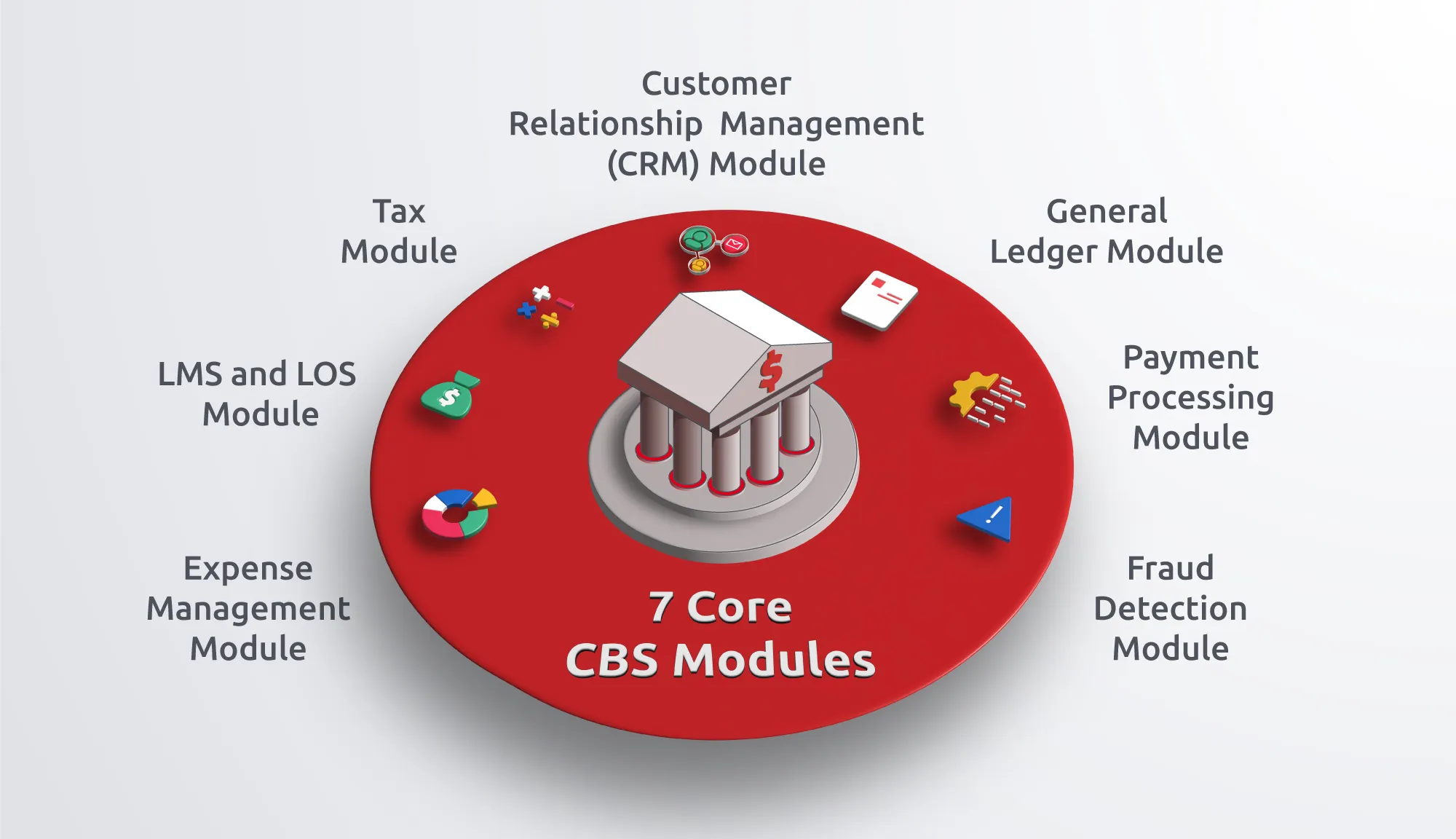
CBS evolution directly shapes your payment operations’ future. As banks modernise infrastructure, expect improved transaction success rates, faster settlements, and better integration capabilities for payment gateways.
The 13.7% CAGR in India’s CBS market reflects this transformation: more reliable payment processing, reduced downtime, and scalable infrastructure for growing transaction volumes. Understanding CBS helps you anticipate payment system capabilities and plan integration strategies accordingly.
1. What is CBS in banking?
CBS (Core Banking Solution) is a centralised software managing banks’ core operations, including accounts, transactions, and loans. It enables customers to bank from any branch or digital channel in real-time, forming the backbone of digital payment processing.
2. How does CBS enable UPI payments?
Every UPI transaction hits CBS twice, once at the customer’s bank for validation and debit, once at the merchant’s bank for credit. CBS processes authentication, checks balances, and updates accounts in real-time for instant payment confirmation.
3. What happens if a bank’s CBS fails during payment processing?
CBS failures cause payment transaction declines, settlement delays, and credit reversal issues. Merchants experience payment downtime and delayed fund settlements until CBS systems recover. Legacy CBS complaints exceeded 40,000 in FY22-23.
4. What is the difference between CBS and a payment gateway?
CBS is the bank’s core system, managing accounts and transactions. Payment gateways connect merchants to CBS through banks—gateways route payment requests, but CBS performs actual fund debit and credit operations in bank accounts.
5. How does CBS affect merchant settlement timelines?
CBS processes settlements through RTGS, NEFT, and IMPS systems. Modern CBS with ISO 20022 messaging enables faster T+0 or T+1 settlements. Legacy CBS may delay merchant fund transfers to T+2 or T+3 cycles.


